
Mulk Raj Anand was a key figure in Indian writing. He wrote in English and focused on the lives of poor people in India. Born on December 12, 1905, in Peshawar, which is now in Pakistan, he grew up in a time of big social changes. He became famous for showing the hard lives of those at the bottom of society. His books talked about problems like poverty, unfair treatment based on caste, and the effects of British rule. Anand was one of the first Indian writers to use English and reach readers around the world. He stood alongside other early writers like R.K. Narayan and Raja Rao.
His work helped start a new kind of story telling in India called Indo Anglian fiction. This means stories written in English by Indians about Indian life. Anand did not just write for fun. He wanted to make people think about unfairness in society. For example, his first big book, Untouchable, from 1935, tells the story of a young man who cleans toilets and faces daily shame because of his low caste. Books like Coolie in 1936 and Two Leaves and a Bud in 1937 also showed the struggles of workers and the poor.
Anand lived a long life and kept writing until he was old. He died on September 28, 2004, in Pune, India, at the age of 98. His stories are still important today because they remind us of the need for fairness and kindness. He mixed words from Punjabi and Hindi into his English writing. This made his stories feel real and close to Indian culture. People often compare him to writers like Charles Dickens because he cared about the weak and poor.
Anand also did more than write books. He started a magazine about art and taught at schools. He fought for India’s freedom and spoke for workers’ rights. His life shows how one person can use words to push for change. In this article, we will look at his early years, school time, family, writing start, big books, ways of writing, work for causes, prizes, lasting effect, and end with some common questions. This will help you understand why he matters in literature and society.
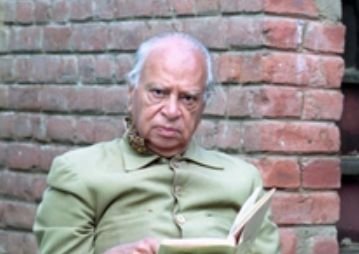
To give you a visual idea of the man behind the words, here is a portrait of Mulk Raj Anand.
His ideas came from seeing real problems in India. He wanted readers to feel the pain of others and think about fixing it. That is why his books are taught in schools and loved by many.
Early Life
Mulk Raj Anand came into the world on December 12, 1905, in Peshawar. This city was part of British India back then but is now in Pakistan. He was born into a Hindu family from the Khatri group. His father, Lal Chand, worked as a maker of copper items and later as a soldier in the British army. His mother, Ishwar Kaur, followed Sikh ways and raised the family with care. Anand was the third child out of five.
As a boy, he saw the strict rules of caste in India. This shaped his views. One sad event changed him a lot. His aunt took her own life after people shunned her for eating with a Muslim woman. This happened because of hard caste rules. It made young Anand angry about unfair treatment. He later wrote about it in his first essay. This event pushed him to fight against such wrongs through his stories.
He grew up in army areas because of his father’s job. This let him see different people and cultures. But it also showed him the divide between rich and poor, British and Indians. Anand was active and loved nature. He played a lot and thought deeply about life. He started to question why some people suffered so much. These early thoughts became the base for his books.
Anand also fell in love with a Muslim girl as a teen. But her family married her to someone else. Sadly, that man killed her after finding love letters from Anand. This broke his heart and made him think more about love across divides. His early life in Peshawar mixed joy and pain, teaching him about human struggles. These lessons stayed with him and appeared in his writing.
Education
Anand went to school in British run places in India. He finished high school at Khalsa College in Amritsar. He got good marks and graduated with honors in 1924. There, he learned about Punjabi books and ideas for change. He read works by local writers and thinkers.
In 1925, he moved to England for more studies. He worked in eateries to pay for school. He joined University College London as a student. Later, he went to Cambridge University. In 1929, he got a PhD in thinking. His paper was about thinkers like Bertrand Russell.
While in England, he met smart people from the Bloomsbury Group. This included writers like E.M. Forster and T.S. Eliot. They talked about art and ideas. Anand also went to Geneva. He taught at the League of Nations school on smart teamwork.
His time in school mixed Indian and Western ideas. He learned to see the world in new ways. This helped him write in English about Indian problems. He saw how British rule hurt India. This made him want to use learning to help his country. His education was key to his growth as a writer and thinker.
Personal Life
Anand married twice. In 1938, he wed Kathleen Van Gelder, an English actress who shared his left wing views. They had a daughter named Susheela. But they split in 1948.
In 1950, he married Shirin Vajifdar, a dancer from Bombay who did old Indian dances. She was from a Parsi family. They stayed together for many years.
Anand faced hard times like feeling sad and alone after moving between countries. He split time between England and India. He was friends with artists like Pablo Picasso and had some of his paintings.
He did not believe in gods much and liked peace. His personal life showed his mix of cultures. He wrote about his own life in books like a series called Seven Ages of Man. These told stories from his childhood and struggles.
Net Worth
Details on Mulk Raj Anand’s money are hard to find. He was a writer and thinker, not a business person. He earned from books, teaching, and talks. But no clear numbers exist on his total wealth when he died in 2004. Some old reports talk about riches, but they seem mixed up with other people. Anand lived simply and focused on helping others, not getting rich. His true value was in his ideas and books, not cash.
Literary Beginnings
Anand started writing because of family pain. His aunt’s death from caste rules led to his first essay. This was in the 1920s. He sent pieces to magazines like one run by T.S. Eliot.
In the 1930s, he lived in London during hard economic times. He wrote short tales first. Then he made novels. His big start was Untouchable in 1935. It took 19 tries to get it printed. E.M. Forster wrote a note for it, which helped.
Anand met Mahatma Gandhi, who told him to write simply. He rewrote Untouchable at Gandhi’s place. This book showed a day in a low caste boy’s life. It used real words from Indian languages in English. People liked it for showing true problems. This began his path as a writer who cared about social issues.
He drew from his life and what he saw. Books like Coolie came next in 1936. His start was about using stories to fight wrong.
Major Works
Anand wrote many books. Here is a list of his key ones with short notes:
- Untouchable, 1935: Follows Bakha, a cleaner, through one day of shame from caste. It calls for end to untouchability.
- Coolie, 1936: Tells of Munoo, a poor boy who works hard jobs and dies young. Shows child work and poor life.
- Two Leaves and a Bud, 1937: About workers on tea farms facing bad treatment. Talks about farm labor wrongs.
- The Village, 1939: Part of a set about Lalu Singh’s life in a village.
- Across the Black Waters, 1939: Lalu as a soldier in World War One. Shows Indian fighters abroad.
- The Sword and the Sickle, 1942: Lalu fights for freedom and left ideas.
- The Private Life of an Indian Prince, 1953: Looks at a prince’s fall. Based on real life.
- Death of a Hero, 1964: Based on a real person’s fight in Kashmir.
- Seven Summers, 1951: First in his life story series about childhood.
- Morning Face, 1968: Second in series, won a big prize.
- Confession of a Lover, 1976: Third part of life tales.
- The Bubble, 1984: Fourth in the set.
He also wrote short tales like The Lost Child in 1934 and books for kids like Indian Fairy Tales in 1946. Plus art books like Persian Painting in 1930. His works cover novels, tales, life stories, and essays.
Themes and Literary Style
Anand’s books often talk about caste wrongs, poor people’s fights, and British rule’s harm. He showed how low caste folks and workers suffered. Themes include hope for change, left ideas, and human kindness. He liked figures like Gandhi and Nehru for their care.
His style used simple words. He added Punjabi and Hindi terms to English for real feel. He wrote from the view of main people, making readers feel close. His stories flow like thoughts and show senses like smells of poor areas.
Anand mixed real life with calls for better society. He used short sentences for easy read. His way helped make Indian English stories strong and true.
Activism and Broader Influence
Anand was a fighter for change. He joined the group for forward writers and helped make its plan. He backed India’s freedom and worked with V.K. Krishna Menon in London.
In the Spanish war, he helped as a news person. During World War Two, he wrote for BBC and knew George Orwell. He started Marg magazine in 1946 for art.
He taught at colleges and spoke on culture free from rule. In 1970s, he worked on talks between cultures. His work helped new writers like Salman Rushdie. He shaped how people see India through books.
Awards and Recognition
Anand got many honors. Here is a list:
- International Peace Prize, 1953.
- Padma Bhushan, 1968, from India.
- Sahitya Akademi Award, 1971, for Morning Face.
He also got doctor degrees from schools like Delhi University. These show his big role in writing and peace.
Legacy and Final Years
In his last years, Anand lived in Pune and kept writing. He tried to finish his life series but could not. He died from lung sickness on September 28, 2004, at 98.
His legacy is big. He is seen as a top Indian English writer with Narayan and Rao. His books are classics and help Dalit writing today. They talk about today’s issues like unfair caste. People study his work worldwide. He showed how writing can change minds.
Conclusion
Mulk Raj Anand’s life was about using words for good. From his start in Peshawar to his end in Pune, he fought for the weak. His books teach us to care and act. He mixed cultures and ideas to make strong stories. Today, his work helps us see past wrongs and build better. Read his books to learn more about India and people.
FAQs
What is Mulk Raj Anand famous for?
He is known for books on poor and low caste lives, like Untouchable.
When was Mulk Raj Anand born?
December 12, 1905.
What are his major works?
Untouchable, Coolie, and the Village trilogy.
Why is Untouchable important?
It shows caste wrongs and calls for change.
Who influenced him?
Gandhi, Forster, and left thinkers.
What themes did he explore?
Poverty, caste, and freedom.
Did he win awards?
Yes, like Padma Bhushan and Sahitya Akademi.
How did he die?
From pneumonia in 2004.