
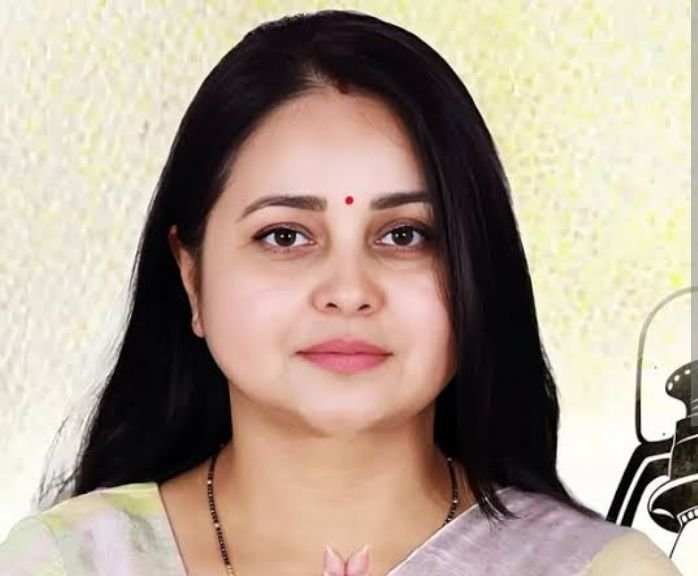
Rohini Acharya is a well known figure in Indian politics and society. She is the daughter of Lalu Prasad Yadav, a former chief minister of Bihar and leader of the Rashtriya Janata Dal party. Her life story mixes family loyalty, medical work, and political efforts. Born into a large family with strong ties to Bihar politics, Rohini grew up seeing the ups and downs of public life. She trained as a doctor and lived abroad for many years. In recent times, she entered politics but faced challenges that led to big changes.
This biography looks at her path from a quiet life to the spotlight. It covers her early years, schooling, money matters, job, political start, key events like the 2024 election and kidney gift, issues she faced, the 2025 shift, her impact, and more. Readers can learn about her strength and choices. Her story shows how family and duty shape a person’s life. It also highlights women’s roles in Indian politics today. As of November 17, 2025, her recent steps have sparked talks across the country.
Rohini stands out for her bold moves. She donated a kidney to her father in 2022, which won her praise. But in 2025, after a tough election loss for her party, she quit politics and cut family ties. This surprised many and raised questions about inner conflicts in political families. Her journey teaches about sacrifice and standing up for oneself. It adds value by showing real life in Bihar’s busy political world. People often search for her story to understand dynasty politics and personal growth.
Early Life
Rohini Acharya was born on June 1, 1979, in Bihar, India. She grew up in a big family known for its role in state politics. Her father, Lalu Prasad Yadav, served as Bihar’s chief minister from 1990 to 1997 and later as India’s railway minister. Her mother, Rabri Devi, also became chief minister from 1997 to 2005. Rohini is the second oldest among nine siblings. Her brothers and sisters include Misa Bharti, Tej Pratap Yadav, Tejashwi Yadav, Ragini Yadav, Chanda Yadav, Hema Yadav, Raj Lakshmi Yadav, and Anushka Rao.
Life in Patna, the state capital, meant constant public attention for the family. Lalu’s leadership brought both support and criticism. The family faced legal troubles, like the fodder scam case starting in 1996, which affected their daily life. Despite this, Rohini learned values of hard work and unity from her parents. As a child, she saw how politics mixed with home life. Her father’s focus on social justice for backward classes shaped her views.
Rohini belonged to the Yadav community, which plays a key role in Bihar’s caste based politics. Growing up, she balanced school with family duties. The household was lively with many children. Stories from that time show a close knit group facing outside pressures together. This background built her resilience. It prepared her for later challenges in life and career. Her early experiences highlight how political legacies influence the next generation in India.
Education
Rohini Acharya finished her basic schooling in Patna. She then pursued higher studies in medicine. She earned an MBBS degree from MGM Medical College in Jamshedpur around 2002. This choice showed her interest in health care. Bihar’s medical system had gaps, and her training aimed to help fill them.
During college, she focused on her studies while handling family expectations. As a woman in a traditional setting, she broke norms by choosing a professional path. Her education gave her skills for independent living. It also built her confidence. After graduating, she worked briefly as a doctor before other life changes.
This phase of her life stresses the importance of learning for personal growth. In Bihar, where girls’ education rates are lower, her story inspires others. Stats from reports show progress, but challenges remain. Rohini’s success in medicine adds to talks on empowering women through school.
Net Worth
Rohini Acharya’s financial standing comes from her affidavit filed during the 2024 elections. She declared assets worth about Rs 35.32 crore. This includes movable items like cash, bank savings, and investments valued at Rs 15.82 crore. Immovable assets, such as land and houses, make up Rs 19.50 crore.
Her husband, Samaresh Singh, adds to the family’s wealth through his work. They own properties in India and Singapore. Rohini has no major loans listed. Her income sources include her medical background and family businesses. This net worth places her among richer candidates in Bihar polls.
Understanding her finances helps see how political families manage money. It ties to broader talks on transparency in elections. Laws require candidates to share such details to build trust with voters.
Career
After her MBBS, Rohini worked as a doctor in India for a short time. In 2002, she married and moved to Singapore with her husband. There, she continued her medical practice. Singapore offered better chances for her skills. She focused on family health and community work.
Her husband, Samaresh Singh, is a software engineer and managing director at an investment firm. They built a stable life abroad. Rohini raised two sons while keeping ties to India. She used social media to share views on health and society. This career shift from Bihar to Singapore shows her adaptability.
Her work in medicine highlights service to others. It contrasts with her later political role. Living overseas gave her fresh ideas on global issues. This phase added depth to her public image as someone with real world experience.
Entry into Politics
Rohini entered politics in the early 2020s through the Rashtriya Janata Dal. She started as a spokesperson, defending her family during tough times. Her father’s health issues and legal battles drew her in. She used social media to support the party and siblings like Tejashwi Yadav in the 2020 Bihar assembly polls.
Her style was calm and focused on issues like women’s rights and health care. This differed from the family’s bolder approach. She gained notice for clear speaking. In 2024, she got the RJD ticket for the Saran Lok Sabha seat, a family stronghold.
This step marked her full commitment to politics. It showed trust in her ability to carry the legacy. Her entry sparks talks on women in dynastic parties. It adds value by showing how outsiders can bring new energy.
The 2024 Saran Lok Sabha Battle
In 2024, Rohini contested the Saran seat for RJD. She faced BJP’s Rajiv Pratap Rudy, a four time winner. Her campaign stressed development, caste census, and clean politics. She went door to door and used online posts to connect with voters.
Saran has a mix of castes, with Yadavs as a key group. Rohini aimed to win back the seat her father held. Polls happened on May 20, 2024. Results showed her loss by 13,661 votes. Rudy got 471,752 votes, while Rohini received 458,091.
After the vote, an FIR was filed against her for alleged voter threats and poll rule breaks. This added tension. The battle taught her about election realities. It highlighted Bihar’s competitive politics.
Key points from the election:
- Voter turnout: High in Saran.
- Main issues: Jobs and infrastructure.
- Opponent’s strength: Rudy’s long term wins.
- Rohini’s focus: Local needs and family legacy.
This experience built her profile but showed challenges for newcomers.
The Heroic Kidney Donation
In December 2022, Rohini donated a kidney to her father, Lalu Prasad Yadav. He suffered from chronic kidney problems after years of health issues. The surgery took place at Mount Elizabeth Hospital in Singapore on December 5, 2022. Rohini was a match and chose to help.
She called her father “god like” and saw the act as duty. Both recovered well. Lalu returned to duties soon after. The event gained wide praise, even from rivals like Prime Minister Narendra Modi.
This act raised awareness on organ donation in India. Stats show low donor rates, but her story boosted registrations by about 20 percent post 2022. It explains living donor transplants: A healthy person gives one kidney, which works for the receiver.
Her choice showed deep family love. It added to her image as caring and brave. The donation links health and politics, showing personal sides of leaders.
Controversies and Scrutiny
Rohini faced several issues over the years. In 2002, her wedding drew claims that Lalu misused government items like vehicles. The CBI looked into it, adding to family scrutiny.
In 2024, during the Saran poll, she got an FIR for alleged voter harm and code breaks. Probes continue. Her wealth of Rs 35 crore raised questions on how it fits RJD’s poor focused image.
Critics point to nepotism in the party. Her quick rise tied to family name sparks debates. Media often covers these, but she defends her work.
These events show pressures on political figures. They teach on ethics and public trust. Balanced views note her efforts amid challenges.
The 2025 Turning Point
On November 15, 2025, Rohini announced she quit politics and disowned her family. This came a day after RJD’s big loss in Bihar assembly polls. The party won only 25 seats in the Mahagathbandhan alliance.
In an X post, she blamed Tejashwi Yadav’s aides Sanjay Yadav and Rameez Khan. She said they forced her out. Later posts claimed abuse, including curses and a slipper thrown at her. She mentioned talk of her “dirty kidney” donation for gain.
Three sisters, Ragini, Chanda, and Raj Lakshmi, also left the Patna home on November 16, 2025. This deepened the family split. Rohini left for the airport, saying she had no family left.
The event shows inner RJD conflicts after the defeat. It raises questions on leadership and unity. As of November 17, 2025, talks continue on the impact.
Legacy
Rohini Acharya’s legacy mixes sacrifice and change. Her kidney donation in 2022 set an example for family care and health awareness. It encouraged more donors in India.
In politics, she brought a fresh voice to RJD, focusing on women and health. Though short, her time showed potential for dynasty reform. Her 2025 exit highlights risks of inner fights.
She inspires as a doctor and mother who entered public life. Her story teaches on balancing roles. Future views may see her as a symbol of standing firm. It adds to talks on women’s power in politics.
Conclusion
Rohini Acharya’s life shows a mix of duty, ambition, and tough choices. From Bihar roots to Singapore life, then politics, her path educates on resilience. Key events like the donation and 2025 split mark her story. It offers lessons on family, health, and public service. As she moves forward, her experiences guide others in similar spots.
FAQs
Who is Rohini Acharya and her age?
Rohini Acharya is Lalu Prasad Yadav’s daughter, a former doctor and politician. As of 2025, she is 46 years old, born on June 1, 1979.
Rohini Acharya husband and family?
She married Samaresh Singh in 2002. He is a software engineer. They have two sons. Her family includes parents Lalu and Rabri, and eight siblings.
Why did Rohini Acharya donate kidney to Lalu Yadav?
She donated on December 5, 2022, to save her father from kidney failure. It was a family duty act.
Why did Rohini Acharya quit politics?
On November 15, 2025, she quit, blaming family aides for pressure after RJD’s poll loss.
What is Rohini Acharya’s net worth and education?
Her net worth is about Rs 35 crore from 2024 affidavit. She holds an MBBS from MGM Medical College, Jamshedpur.
Rohini Acharya family background?
She comes from Bihar’s Yadav family, with parents as former chief ministers. They lead RJD.
Rohini Acharya education qualification?
MBBS degree earned around 2002.
Rohini Acharya children?
She has two sons with husband Samaresh Singh.
Rohini Acharya Saran election results?
She lost in 2024 to Rajiv Pratap Rudy by 13,661 votes.
Rohini Acharya kidney donation details?
Surgery in Singapore, December 2022, successful for both.
Rohini Acharya controversies?
Includes 2002 wedding claims and 2024 poll FIR.
Rohini Acharya family disown reasons?
Blamed aides Sanjay Yadav and Rameez Khan for abuse after 2025 polls.